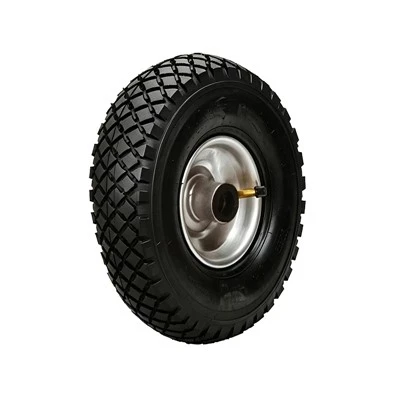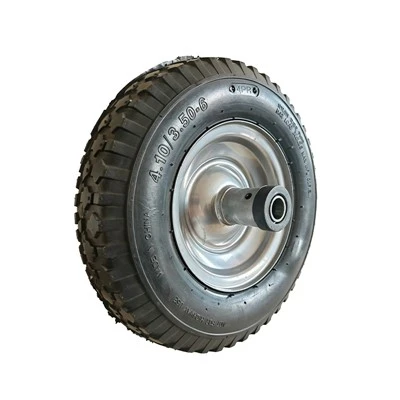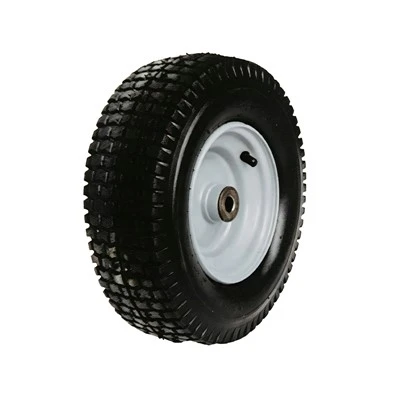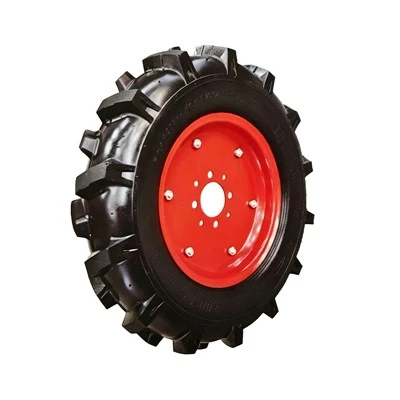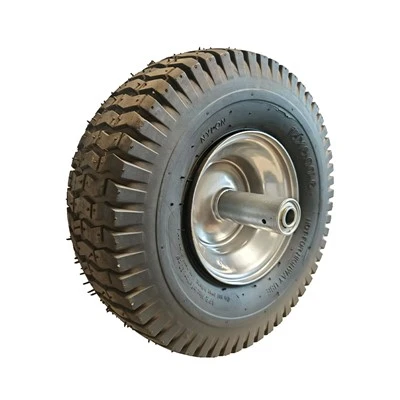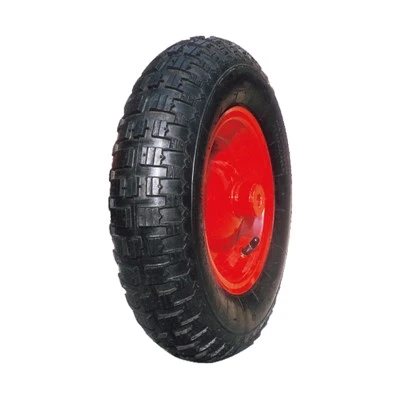

Wheels play a critical role in hand trucks, platform carts, industrial trolleys, logistics equipment, and other mobile handling systems. In addition to supporting the weight of equipment and cargo, wheels directly influence mobility, operating efficiency, and handling comfort. PU foam wheels use polyurethane foam as the primary tire material and take advantage of its resilient structure to provide load support, controlled movement, cushioning, and reduced maintenance requirements.
Load support is the fundamental function of a PU foam wheel. When equipment is carrying a load, the combined weight of the equipment and cargo is transferred through the frame and axle to the wheels. The polyurethane foam then distributes the load through the contact area with the floor. Its cellular structure provides a combination of strength and resilience, allowing the tire to deform slightly under pressure while maintaining stable support. Wheel diameter, width, and foam density can be selected according to the required load capacity.
Providing stable mobility is another essential function. During operation, the wheel rotates around its axle while the tread remains in contact with the floor. The friction generated at the contact surface provides the traction needed for controlled movement. Properly selected PU foam characteristics and wheel dimensions can contribute to smooth rolling and easier handling, which is particularly valuable for equipment that is moved frequently throughout a working day.
Cushioning and vibration absorption are also important functions of PU foam wheels. When a wheel travels over floor joints, minor irregularities, or small obstacles, the resilient foam can deform and absorb part of the impact. This can help reduce the amount of vibration transferred to the equipment frame and transported goods, contributing to smoother operation and improved load stability.
PU foam wheels can also reduce routine maintenance requirements. Unlike pneumatic tires, they do not contain a pressurized air chamber and therefore do not require regular inflation or pressure checks. They also avoid the sudden loss of support associated with ordinary air leakage. This can be particularly beneficial in warehouses, manufacturing facilities, and logistics environments where mobile equipment is used repeatedly.
Overall, PU foam wheels primarily provide load support, stable mobility, cushioning, vibration reduction, and reduced maintenance requirements. By selecting the appropriate foam characteristics, wheel diameter, width, wheel-center design, and bearing configuration, manufacturers and users can match wheel performance to specific equipment and operating conditions. This makes PU foam wheels a practical mobility solution for a wide range of material handling applications.