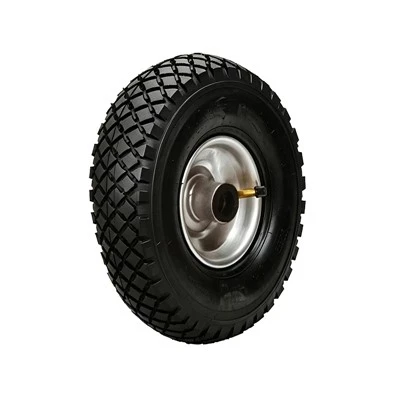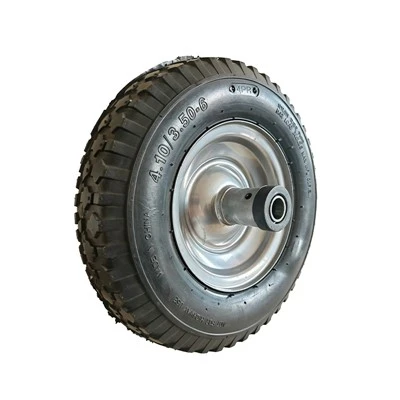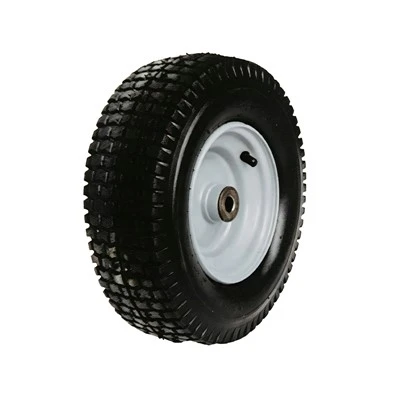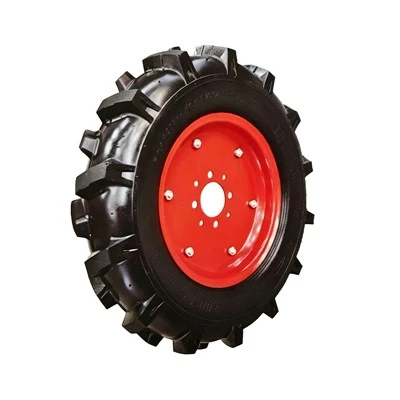

As PU foam wheels become increasingly common in warehousing, logistics, manufacturing, and material handling applications, greater attention is being placed on load capacity, wear resistance, dimensional stability, and service life. As critical components of mobile equipment, these wheels must withstand continuous loads and repeated contact with floor surfaces. Clearly defined technical requirements are therefore essential for controlling material properties, structural integrity, manufacturing accuracy, and finished-product performance.
Material performance forms the foundation of PU foam wheel manufacturing. Manufacturers need to select an appropriate polyurethane system based on the intended application and control key properties such as foam density, hardness, resilience, and material uniformity. The formulation has a direct effect on load support, cushioning, wear resistance, and rolling behavior, making raw material quality and formulation accuracy important parts of process control.
Dimensional accuracy is another important requirement. Key dimensions such as overall wheel diameter, tire width, wheel-center dimensions, and axle-hole size should remain within specified tolerances. Consistent dimensions affect not only the wheel's operating characteristics but also its compatibility with hand trucks, platform carts, and other equipment. Mold accuracy and molding-process control are therefore important for minimizing dimensional variation.
From a performance perspective, load capacity is a critical technical parameter. Wheels should be evaluated under appropriate static or dynamic loads to verify that the tire maintains acceptable deformation while the wheel center and connecting structure retain sufficient mechanical strength. The wheel should also provide adequate wear resistance for frequent movement in warehouses, factories, and other demanding handling environments.
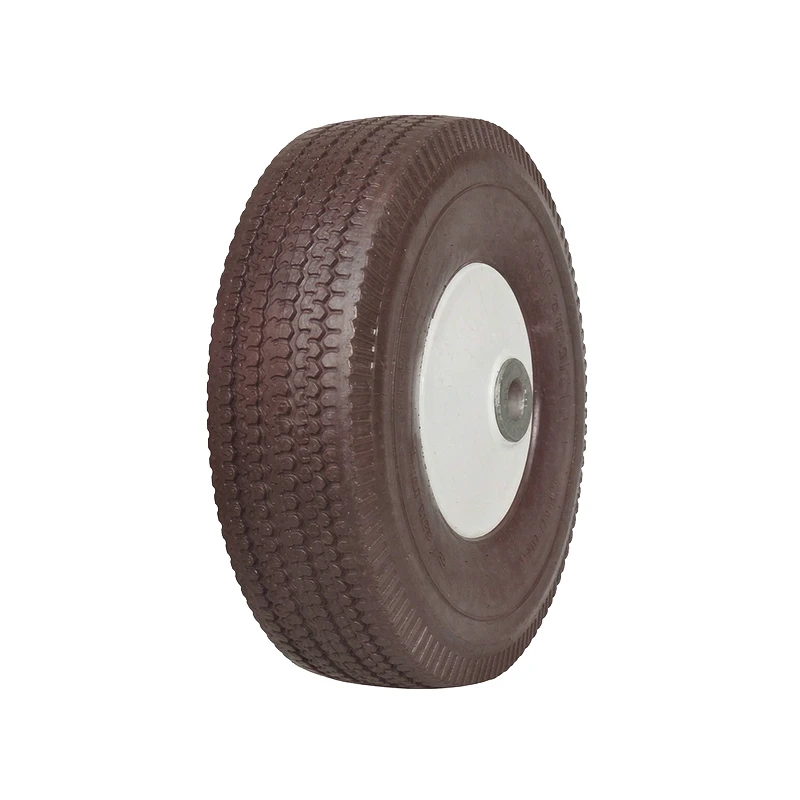
The bond between the polyurethane foam tire and wheel center is equally important. A secure connection helps reduce the risk of separation, unwanted movement, or abnormal deformation during prolonged operation. For wheels equipped with bearings, accurate bearing installation is also necessary to ensure smooth rotation and minimize unnecessary rolling resistance.
Depending on the intended operating conditions, additional requirements may include resistance to temperature changes, oils, moisture, and other environmental factors. Appropriate material selection and process design can improve the wheel's ability to maintain stable performance under different working conditions.
Overall, PU foam wheel technical requirements cover material properties, dimensional accuracy, load capacity, wear resistance, bonding strength, bearing compatibility, and environmental durability. By establishing appropriate specifications and maintaining effective manufacturing controls, producers can improve product consistency and reliability while providing stable mobility for modern warehousing, logistics, and industrial material handling equipment.