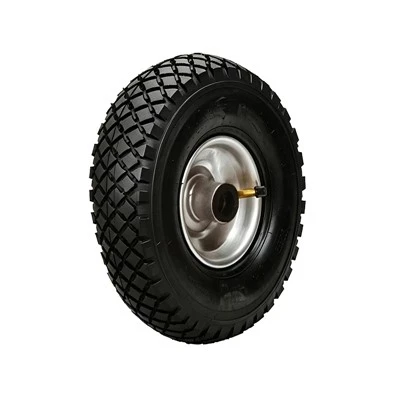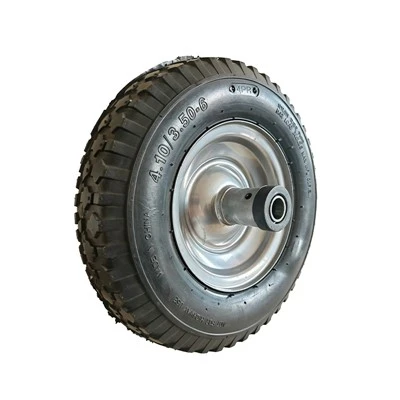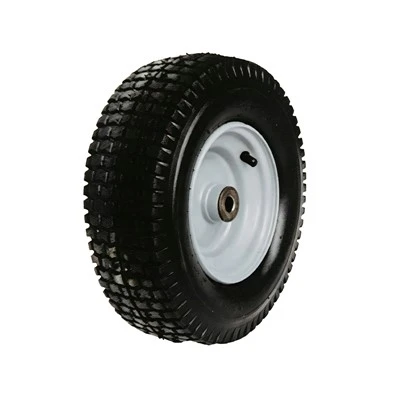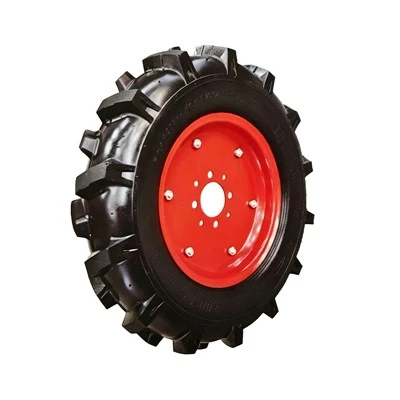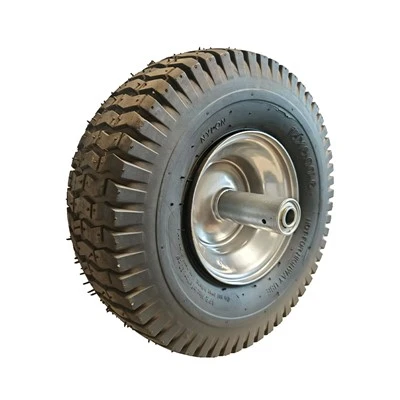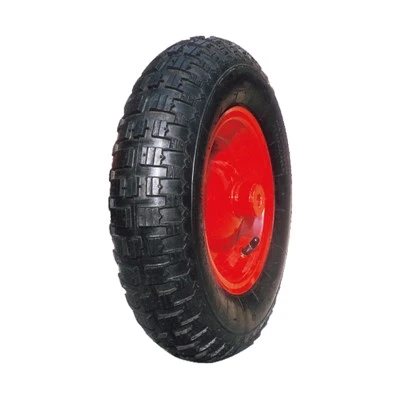

PU foam wheels are manufactured primarily from polyurethane and are widely used on hand trucks, platform carts, industrial trolleys, logistics equipment, and other mobile systems. Unlike pneumatic tires and conventional solid rubber wheels, PU foam wheels are produced through a controlled polyurethane reaction and foaming process that creates a resilient cellular structure. The final performance of the wheel depends not only on its physical design but also on the selection and formulation of its raw materials.
Polyurethane is the primary material used in PU foam wheels. Polyurethane is not a single chemical substance but a family of polymers produced by reacting different chemical components. By changing the types and proportions of the raw materials, manufacturers can tailor important properties such as density, hardness, resilience, wear resistance, and load-bearing capability to suit specific applications.
Polyols and isocyanates are two major reactive components in the polyurethane system. They react in controlled proportions to form the polymer structure that gives the wheel its fundamental mechanical properties. Different polyol and isocyanate chemistries can produce significant differences in flexibility, strength, abrasion resistance, and environmental durability. The formulation must therefore be selected according to the intended application and required performance.
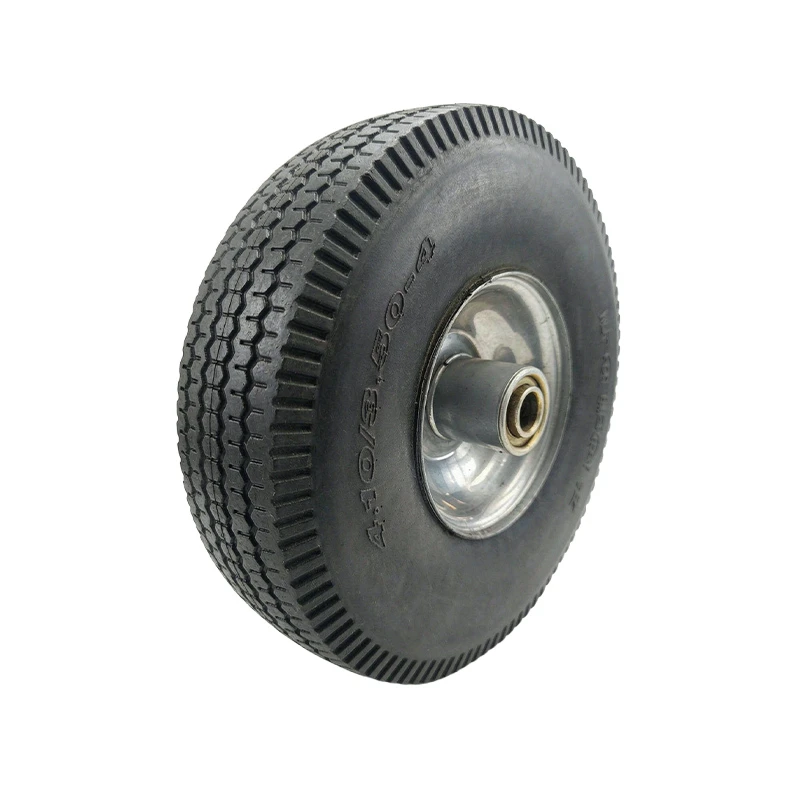
The blowing system is responsible for creating the cellular structure of the foam. During production, a blowing agent generates gas through a controlled chemical reaction or other mechanisms, forming numerous small cells within the polyurethane matrix. This cellular structure reduces the overall density of the material while providing resilience and cushioning. Foam expansion and cell uniformity can have a direct influence on wheel weight, load capacity, durability, and rolling characteristics.
The formulation may also contain catalysts, stabilizers, colorants, and other performance additives. Catalysts help control the reaction rate and support consistent processing. Stabilizers can contribute to foam-cell control and structural uniformity, while colorants are primarily used to achieve the desired appearance or product identification. Depending on the application, additional formulation adjustments may be made to improve resistance to wear, oils, temperature variations, or other environmental conditions.
In addition to the polyurethane foam itself, a finished PU foam wheel commonly incorporates a metal or composite wheel center and bearing components. The wheel center provides structural support and connects the tire to the equipment, while the bearings allow the wheel to rotate smoothly around its axle.
Overall, PU foam wheels are built around a polyurethane formulation consisting primarily of polyols, isocyanates, a controlled blowing system, and selected additives. The specific combination and proportions of these materials determine the resulting wheel characteristics. Through careful material selection, formulation development, and manufacturing control, PU foam wheels can be engineered to achieve an effective balance of low weight, resilience, load support, cushioning, and wear resistance for a wide range of material handling applications.