
Hand trucks are simple yet highly practical material handling devices used in warehouses, manufacturing facilities, retail operations, and a wide range of everyday transportation tasks. By combining a frame, load platform, handle, wheels, axle, and fastening components, a hand truck converts much of the effort required for manual carrying into controlled rolling movement. This helps reduce physical strain while improving the efficiency of short-distance material transport.
A simple and functional structure is one of the defining characteristics of a hand truck. A typical design consists of a frame, load platform, handle, wheels, axle, and fastening hardware. Depending on the intended application, additional features such as a cargo bin, retaining frame, protective panel, or folding mechanism may be incorporated. The overall design generally emphasizes structural stability, ease of operation, and straightforward maintenance.
Load-bearing capability is another important characteristic. The frame and load platform must support both the equipment and the cargo while transferring the applied load efficiently to the wheels. Hand trucks are available in different configurations for light-, medium-, and heavy-duty applications. A properly engineered frame helps maintain stability under load and reduces the risk of excessive deformation during repeated use.

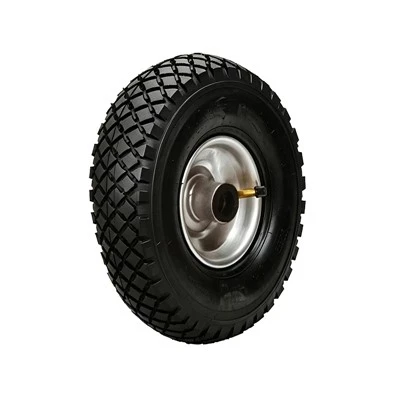
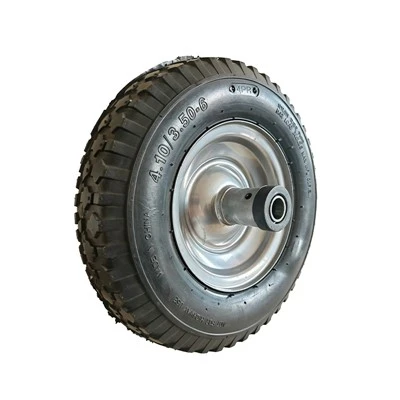
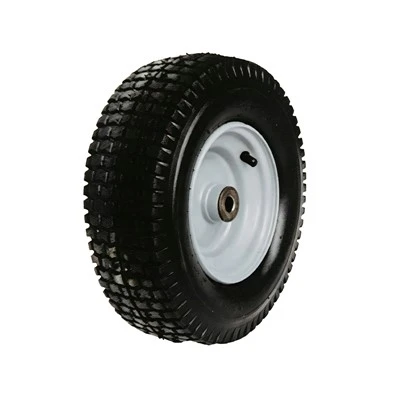
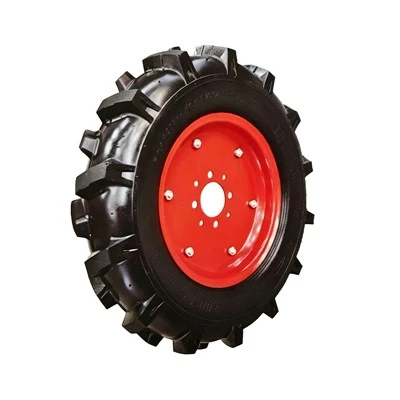
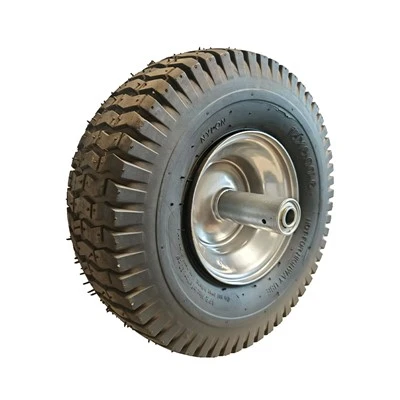
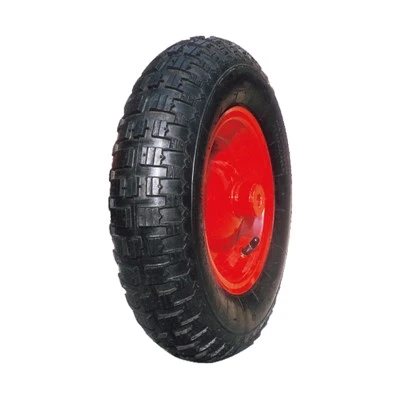
Wheel configuration has a direct effect on mobility. Hand trucks may use two or more wheels, depending on their design and intended application. Different tire materials provide different performance characteristics. Pneumatic tires can offer cushioning, solid rubber wheels provide durability and resistance to puncture-related failures, while PU foam wheels combine low weight, resilience, and inflation-free operation. Wheel selection should be based on factors such as floor conditions, load requirements, and operating frequency.
Ease of handling is another key feature of hand trucks. The operator applies force through the handle while the wheels provide rolling support. On a two-wheel hand truck, adjusting the angle of the frame can shift the load toward the wheels, allowing the operator to move the cargo without carrying its full weight. This simple operating method makes hand trucks particularly useful for repetitive material handling tasks.
Hand trucks also offer broad application flexibility and relatively straightforward maintenance. Metal frames can provide strong structural support, while folding designs are available for applications where storage space is limited. Overall, the combination of simple construction, dependable load support, maneuverability, and convenient maintenance makes hand trucks a practical and widely used solution for warehouse, logistics, industrial, and commercial material handling.