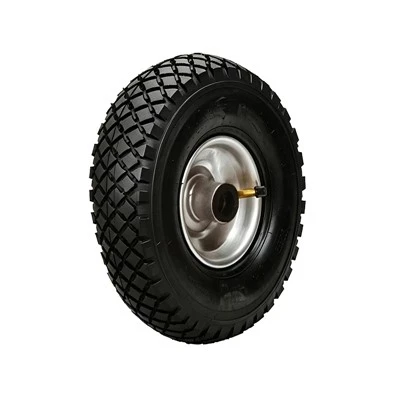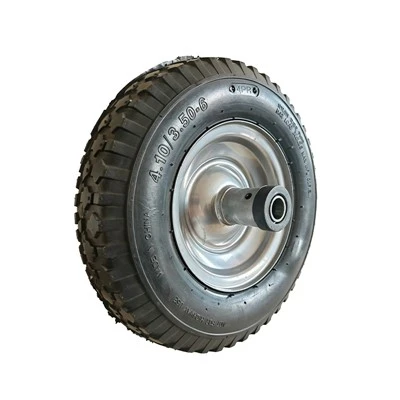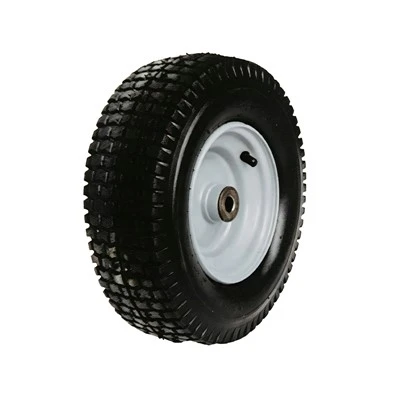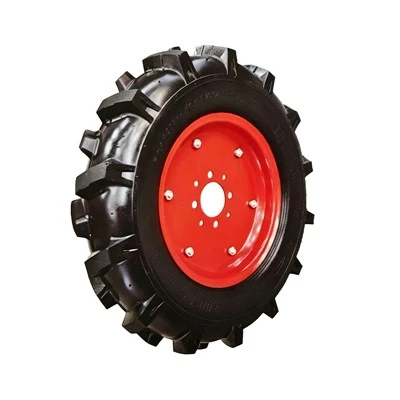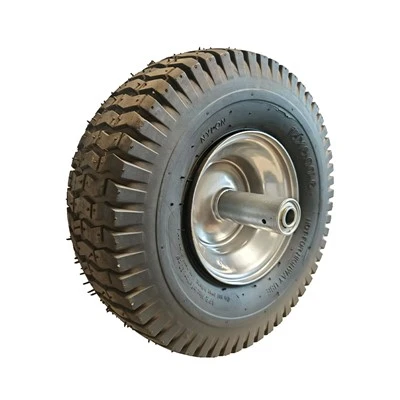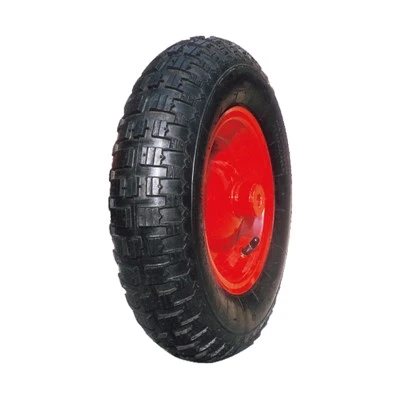

As PU foam wheels become increasingly common in warehousing, logistics, manufacturing, and material handling equipment, consistent product quality and performance have become important considerations. Wheels are critical load-bearing components that must support equipment and cargo while maintaining reliable movement over extended periods. Comprehensive performance testing after manufacturing therefore plays an essential role in verifying product quality and long-term reliability.
Load capacity is one of the most important performance characteristics evaluated during testing. Depending on the product specification, wheels may be subjected to controlled static or dynamic loads while their deformation and structural condition are monitored. Load testing helps determine whether the foam tire, wheel center, and overall assembly can meet the requirements of the intended application. It can also provide useful information about how the wheel may perform under repeated loading conditions.
Hardness and material consistency are also important testing parameters. The hardness of polyurethane foam can influence load support, cushioning, and rolling behavior. Measurements may be taken at different locations on the tire to evaluate material uniformity. For mass-produced wheels, consistent hardness helps minimize performance variations between individual products and production batches.
Because wheels are continuously exposed to friction during operation, wear resistance is another key performance indicator. Testing can simulate specific loads, travel distances, and floor conditions to evaluate how the tire surface responds to repeated contact. Good wear resistance is particularly valuable for warehouse and logistics equipment that operates frequently throughout the working day, as it can contribute to longer service life.
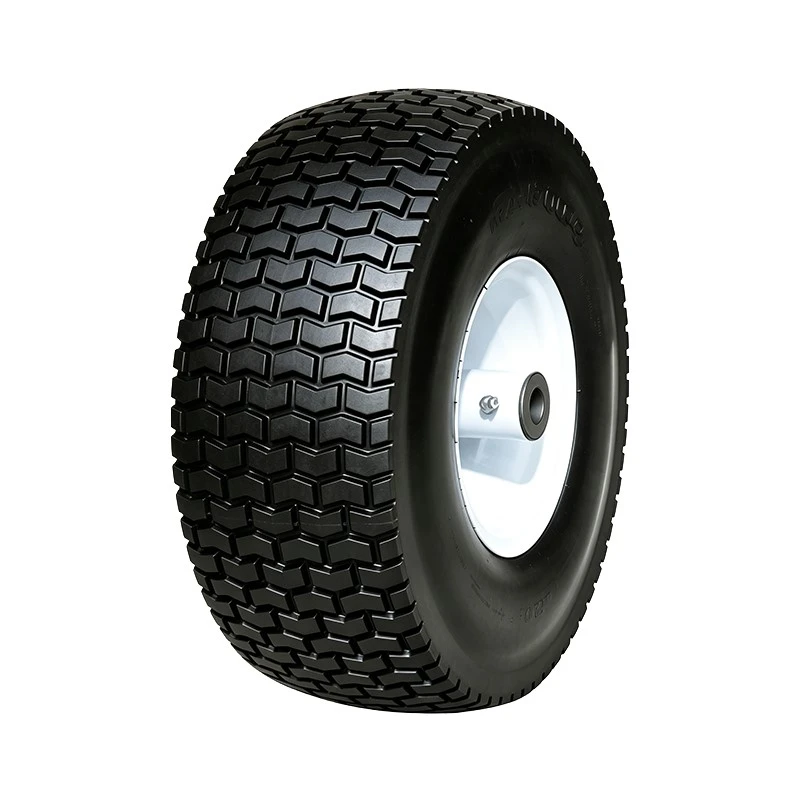
Rolling performance and rotational smoothness also have a direct impact on equipment handling. Testing may evaluate rolling resistance, wheel rotation, and bearing performance to ensure that the wheel assembly moves smoothly after installation. Critical dimensions, including overall diameter, wheel width, wheel-center dimensions, and axle-hole size, should also be inspected to ensure proper compatibility with the equipment.
Depending on the intended application, manufacturers may conduct environmental resistance testing as well. Exposure to temperature changes, humidity, oil contamination, and other operating conditions can be simulated to evaluate how the material and wheel assembly respond to different environments. Such testing can help identify potential performance limitations before the product enters service.
Overall, PU foam wheel testing can cover load capacity, material hardness, wear resistance, rolling performance, dimensional accuracy, and environmental durability. A well-controlled testing program helps identify potential manufacturing issues, improve product consistency, and verify that the finished wheels meet the requirements of their intended applications. This provides material handling equipment with a more dependable and stable mobility solution.