
Hand trucks are widely used in warehouses, factories, distribution centers, retail facilities, and everyday material handling operations. Although their construction is relatively simple, their operation depends on the coordinated function of the frame, wheels, axle, and handle. By converting much of the effort required to lift and drag a load into controlled rolling motion, a hand truck allows operators to move goods with less physical effort.
The basic operating principle of a hand truck is to replace sliding movement with rolling movement. A load is placed on the supporting platform or toe plate, and its weight is transferred through the frame to the axle and wheels. The operator applies force through the handle, causing the wheels to rotate around the axle. As the wheels roll against the floor, they carry the frame and its load forward.
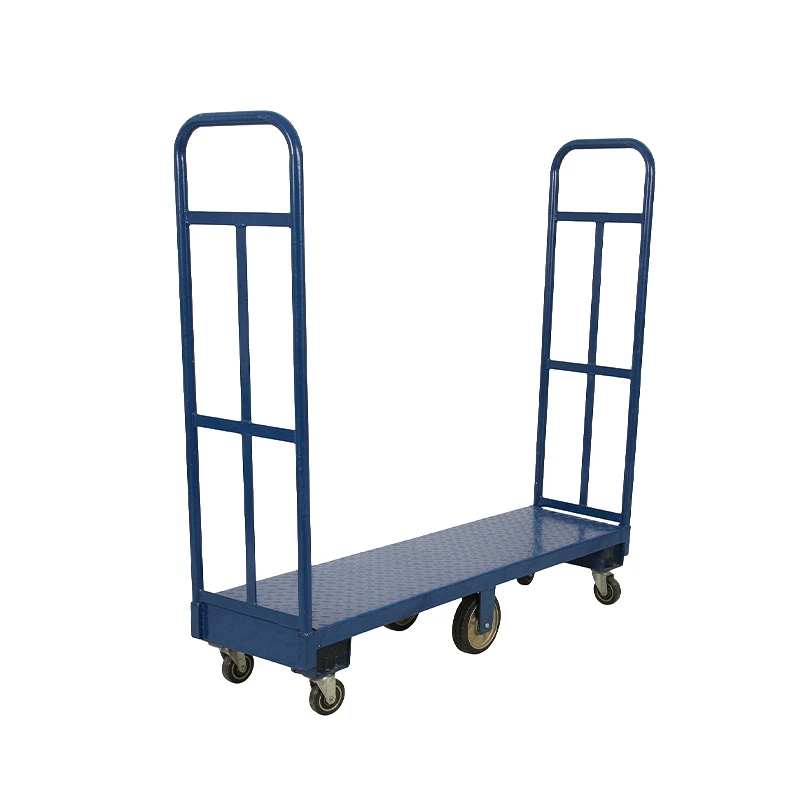
The frame provides the primary structural support. It is typically manufactured from metal tubing, formed sections, or sheet material and must have sufficient strength and rigidity to withstand the intended load. Once cargo is placed on the hand truck, the load travels through the platform and frame to the axle and wheels before being distributed to the floor. A well-designed frame helps maintain structural stability and reduces excessive stress on individual components.
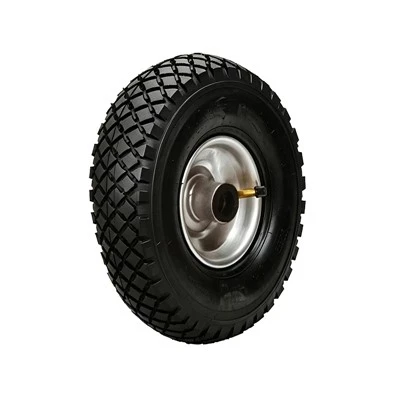
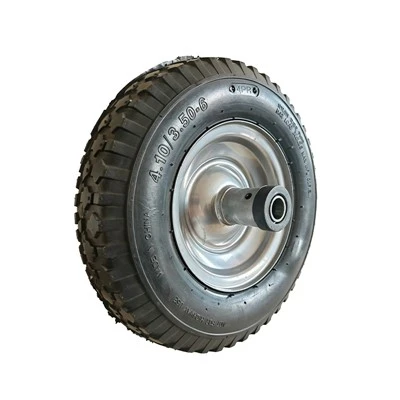
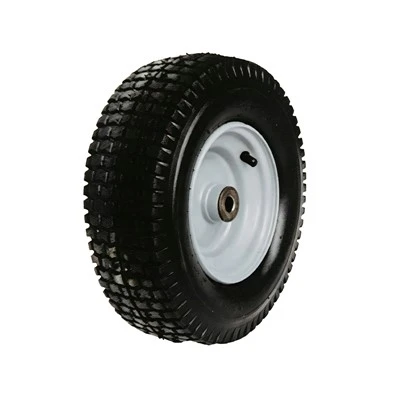
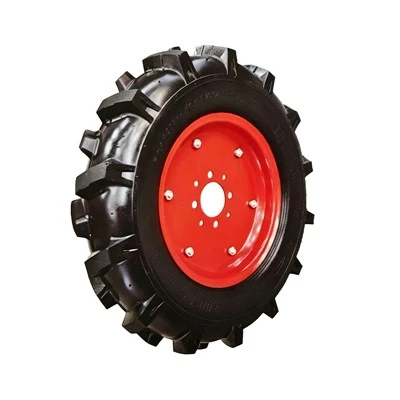
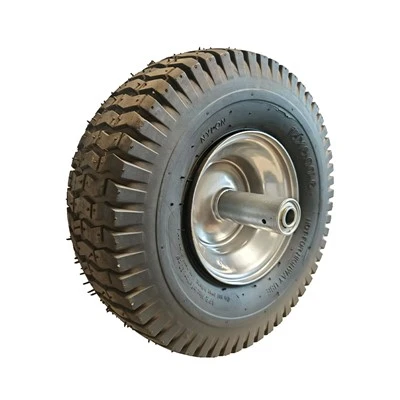
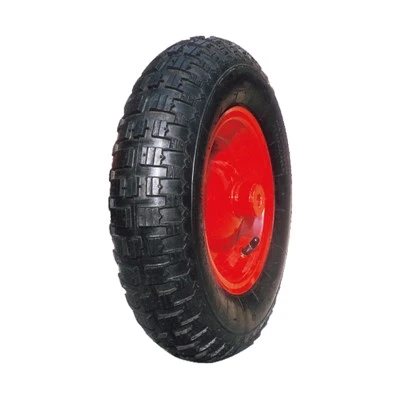
The wheels play a central role in determining mobility and handling performance. Common options include pneumatic tires, solid rubber wheels, and PU foam wheels, each offering different combinations of load capacity, cushioning, wear resistance, and rolling characteristics. Larger wheels can generally travel more easily over small obstacles and floor joints, while resilient tire materials can absorb some vibration and contribute to smoother movement.
The handle is primarily responsible for transmitting operator input and controlling the direction of travel. By adjusting the direction and amount of force applied to the handle, the operator can control forward movement, turning, and stopping. On two-wheel hand trucks, changing the handle angle can also shift the center of gravity so that more of the load is supported by the wheels, reducing the lifting effort required from the operator.
The axle, bearings, fasteners, and other supporting components work together to maintain smooth wheel rotation and reliable load support. Overall, a hand truck operates through the coordinated interaction of the load-bearing frame, rolling wheels, operator-applied force, and load distribution. This simple mechanical principle enables efficient goods movement while reducing manual handling effort, making hand trucks an enduring solution for warehousing, logistics, and industrial material handling.