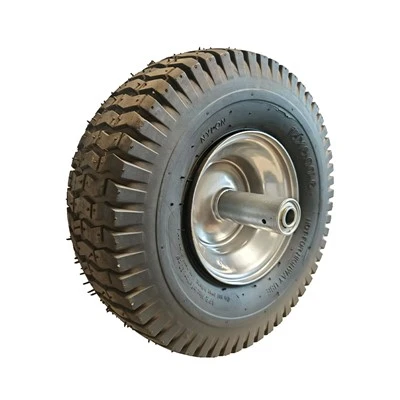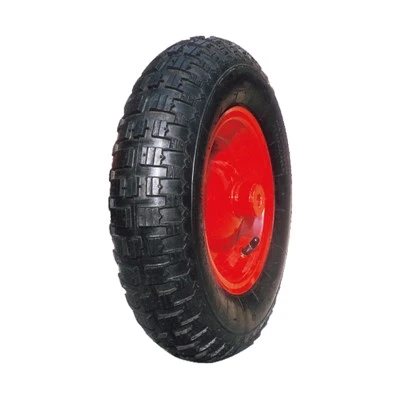

Hand trucks are widely used in warehouses, factories, retail facilities, hotels, workshops, and many other environments where goods need to be moved over short distances. Their primary purpose is to replace direct manual carrying with controlled rolling movement. By supporting cargo on a frame or platform and transferring the load to the wheels, a hand truck allows operators to move materials with significantly less physical effort.
Load support and transportation are the fundamental functions of a hand truck. Cargo is placed on the load platform, toe plate, or within a container, depending on the design. The weight is transferred through the frame and axle to the wheels, while the operator uses the handle to guide and propel the equipment. This approach reduces the need to carry the full weight of the load and is particularly useful for moving boxes, tools, components, and other frequently transported items.
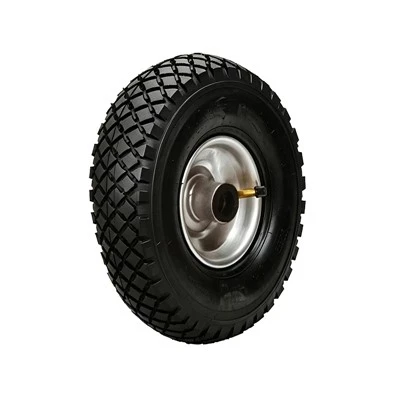
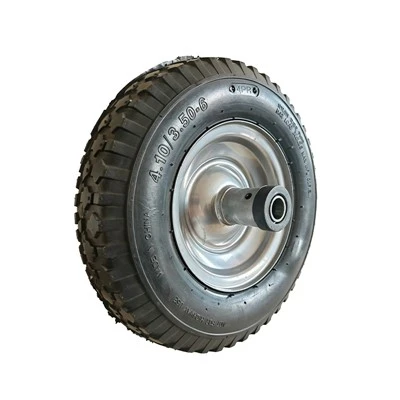
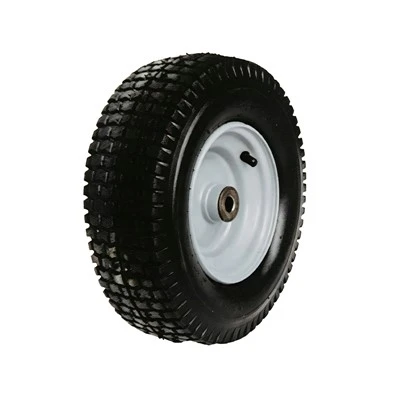
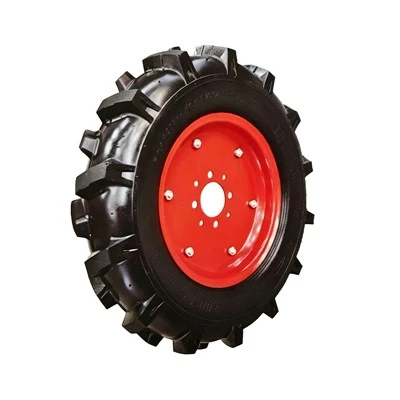
Reducing manual effort is another major function. Warehouse and factory personnel may need to move materials repeatedly throughout the working day. Rolling wheels reduce the resistance associated with dragging or carrying heavy goods directly, making short-distance transportation easier. Proper wheel selection can also improve the equipment's ability to travel across different floor surfaces.
Hand trucks can also improve material handling efficiency. During warehouse picking, production-line replenishment, and finished-goods transportation, operators can move multiple items in a single trip instead of carrying them individually. This can reduce unnecessary trips and help maintain a more continuous flow of materials, particularly in operations involving frequent short-distance transport.
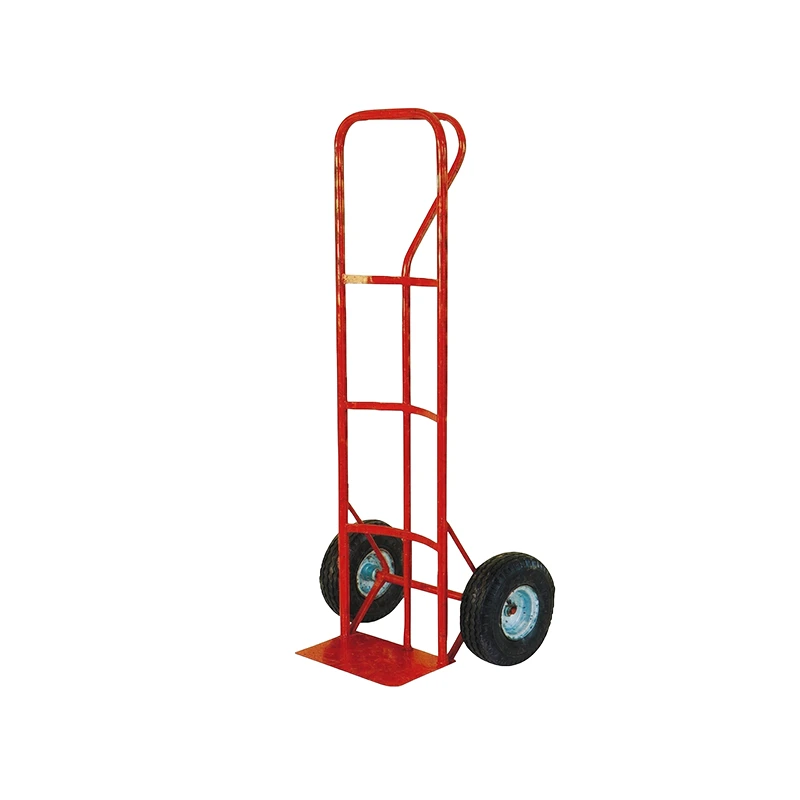
Cargo containment and protection are additional functions offered by certain hand truck designs. Models equipped with bins, side panels, or retaining frames can help keep items securely positioned during transportation and reduce the risk of goods slipping or falling from the platform. When combined with wheels that provide appropriate cushioning, the equipment can also reduce some of the impact caused by minor floor irregularities.
Hand trucks can be configured with different wheel types, frame designs, and load platforms to suit warehouses, manufacturing areas, retail facilities, workshops, and selected outdoor environments. Folding models can further improve portability and reduce storage requirements when the equipment is not in use.
Overall, hand trucks provide essential functions including load support, short-distance transportation, reduced manual effort, improved handling efficiency, and, in certain designs, additional cargo protection. Their simple operating principle and flexible configuration continue to make them a practical solution for material handling across logistics, manufacturing, commercial, and service environments.