
As modern warehousing and logistics operations become more efficient and increasingly focused on high-volume material movement, the need for reliable equipment capable of transporting heavy loads has continued to grow. Heavy-duty warehouse carts are designed specifically for moving substantial loads over relatively short distances within warehouses, factories, distribution areas, and other industrial environments. Compared with standard hand carts, they typically feature reinforced structures, higher load capacities, and greater durability.
High load capacity is one of the defining characteristics of a heavy-duty warehouse cart. Its frame, deck, axle, and connecting components are engineered to withstand substantial loads. During operation, cargo weight is transferred from the load deck through the frame and axle to the wheels, which distribute the load across the floor. Proper structural design helps minimize excessive stress on individual components and provides stable support during heavy-load transportation.
A robust and durable frame is another essential feature. Heavy-duty carts are commonly constructed from high-strength metal materials and may incorporate reinforced beams, braces, and other structural elements to increase rigidity. Since warehouse equipment is often exposed to repeated loading, unloading, impacts, and continuous movement, the cart must be capable of maintaining structural integrity during demanding operating conditions.
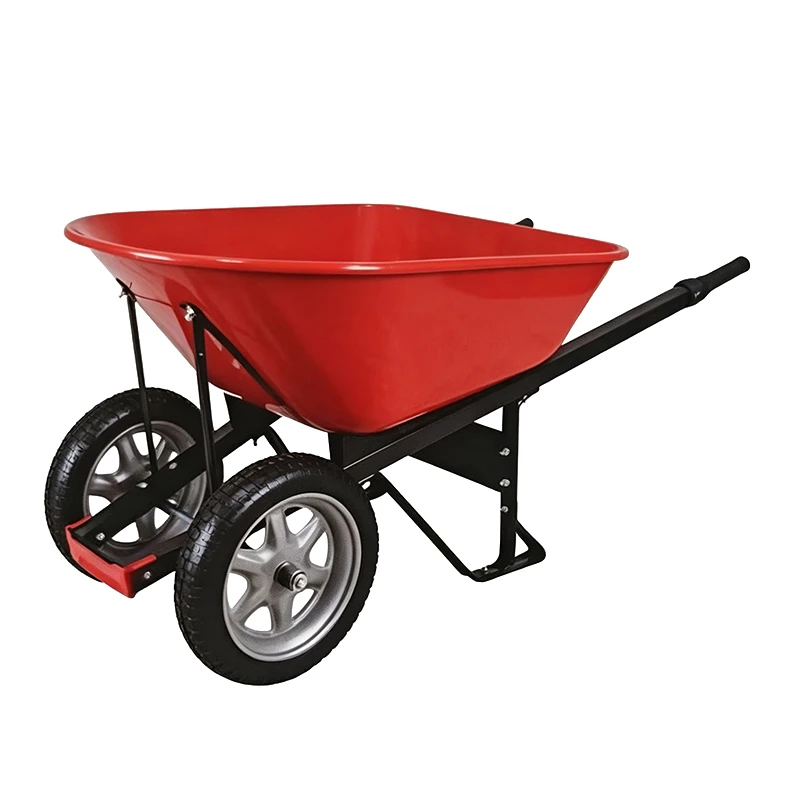
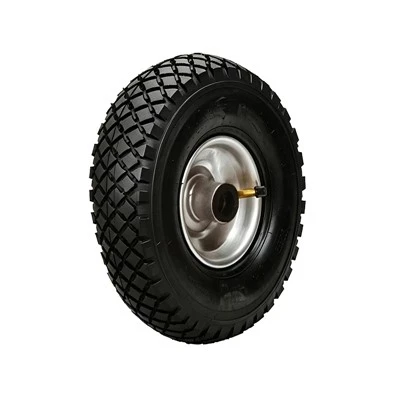
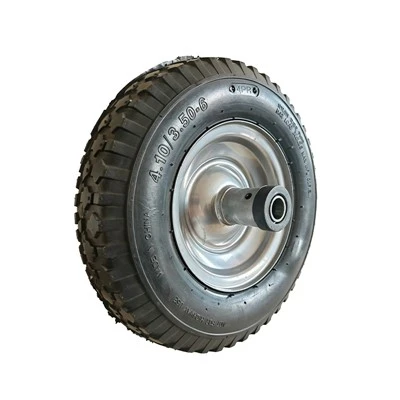
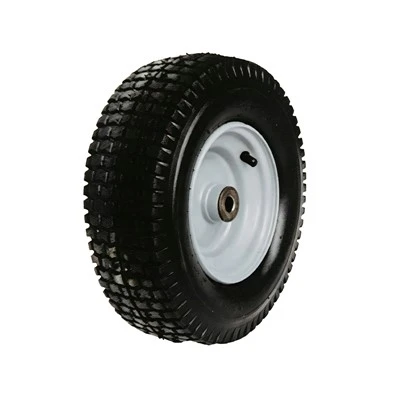
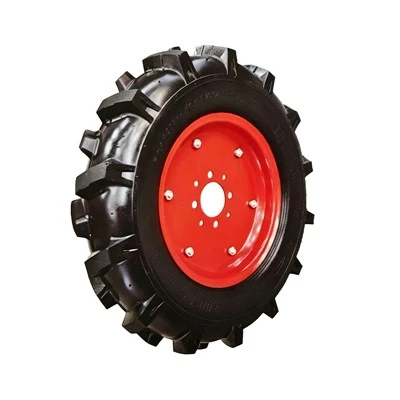
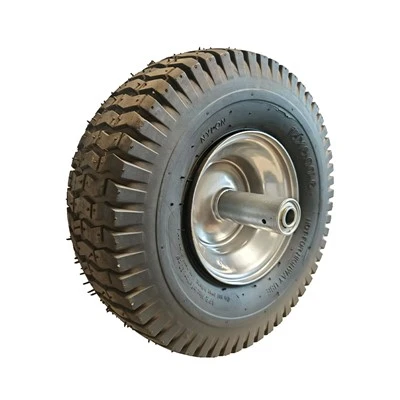
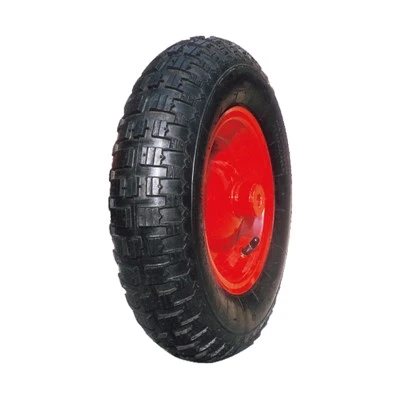
Wheel configuration has a direct influence on handling performance. Heavy-duty warehouse carts generally use wheels designed to support substantial loads. Depending on the floor surface and application, suitable configurations may include pneumatic tires, solid rubber wheels, or other heavy-load wheel designs. Larger wheels can improve the cart's ability to travel over floor joints and minor obstacles, while an appropriate wheel width can contribute to better stability and load distribution.
Heavy-duty warehouse carts also provide stable operation and flexible handling characteristics. A relatively low load deck can help keep the center of gravity lower, reducing the likelihood of instability during transportation. Depending on the application, carts may also be equipped with side rails, protective panels, or towing systems to accommodate different cargo types and handling methods.
Ease of maintenance is another consideration in heavy-duty cart design. Components subject to regular wear or movement, such as wheels, bearings, and axles, should ideally be accessible for inspection, servicing, and replacement. Convenient maintenance can help reduce downtime and support reliable long-term operation.
Overall, heavy-duty warehouse carts are characterized by high load capacity, reinforced construction, operational stability, durable wheel systems, and suitability for demanding warehouse environments. By providing dependable short-distance transportation for heavy materials, these carts can help improve handling efficiency across warehousing, manufacturing, distribution, and industrial logistics operations.