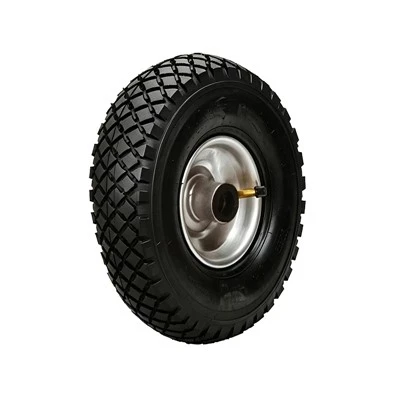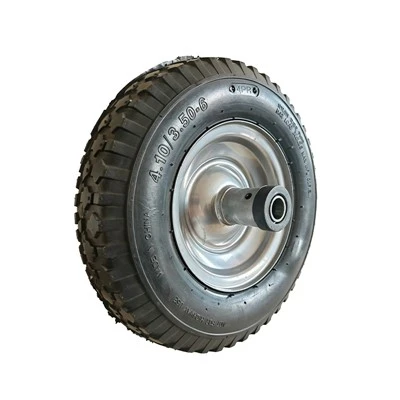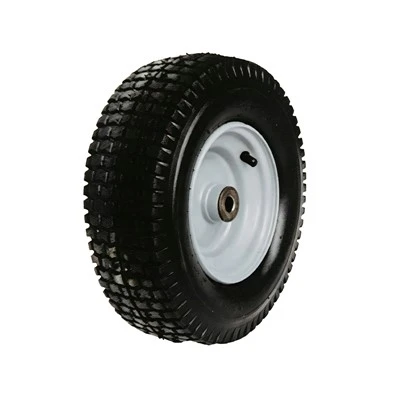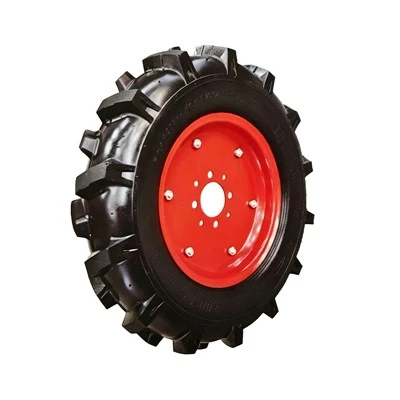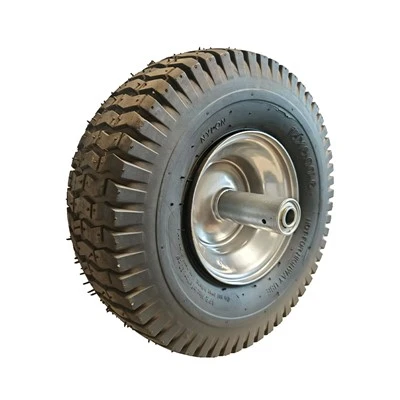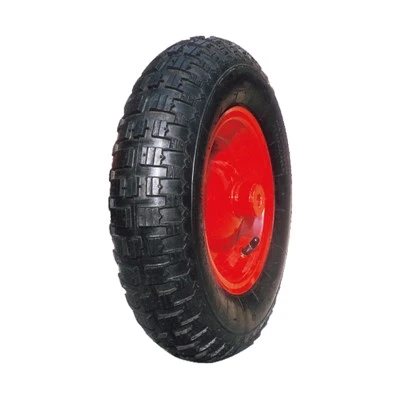

As warehouses, manufacturing facilities, and commercial operations place greater emphasis on mobility and equipment efficiency, PU foam wheels are being used in an increasing range of mobile handling applications. Made primarily from polyurethane foam, these wheels offer a useful combination of low weight, resilience, cushioning, and inflation-free operation. Their balanced performance makes them suitable for various types of material handling equipment.
Warehousing and logistics are major application areas for PU foam wheels. Warehouses, distribution centers, and fulfillment facilities rely on hand trucks, platform carts, picking carts, and other mobile equipment to move goods throughout the day. These wheels often operate on hard indoor floors, where smooth rolling, durability, and maneuverability are important. Because PU foam wheels do not require inflation, they eliminate routine air-pressure checks while providing a degree of cushioning through the elastic properties of the foam material.
Manufacturing facilities are another important application environment. Components, tools, raw materials, and finished products frequently need to be transported between production areas. Handling equipment must provide stable mobility without adding unnecessary weight. PU foam wheels can offer a lightweight wheel solution while maintaining suitable load support when properly selected for the application. Their resilient construction can also help absorb some of the impact generated during routine movement.
PU foam wheels are also suitable for commercial and service environments. Retail stores, supermarkets, hotels, workshops, and service facilities often use carts and mobile equipment for internal transportation. In these applications, wheels need to provide dependable support while maintaining smooth and manageable movement. The resilient nature of polyurethane foam can provide a degree of cushioning, making it suitable for many indoor floor surfaces.
In addition, PU foam wheels can be used on light-duty industrial equipment and selected outdoor mobile applications. They can be considered where low wheel weight, cushioning, and reduced maintenance are important factors. However, the appropriate wheel should always be selected according to the equipment load, floor conditions, operating frequency, and environmental requirements.
Overall, PU foam wheels are well suited to warehousing, logistics, manufacturing, commercial facilities, and a variety of indoor material handling applications. As mobile equipment continues to evolve toward lighter construction, reduced maintenance, and improved operating efficiency, PU foam technology can provide a practical wheel solution for applications that require a balance of mobility, cushioning, and durability.