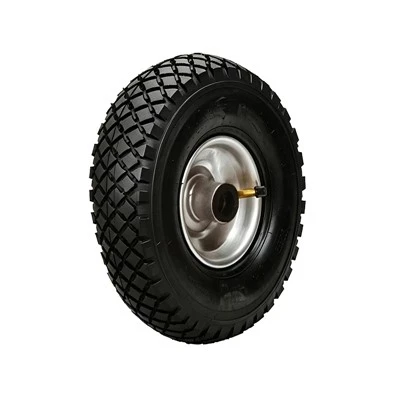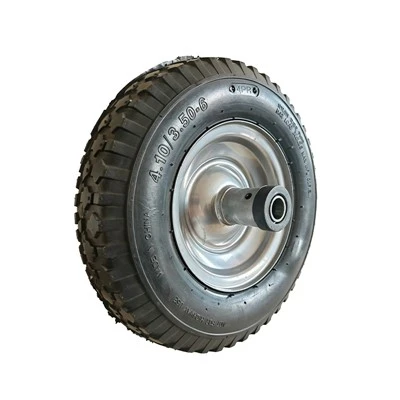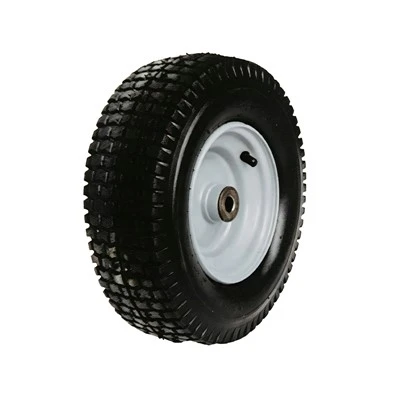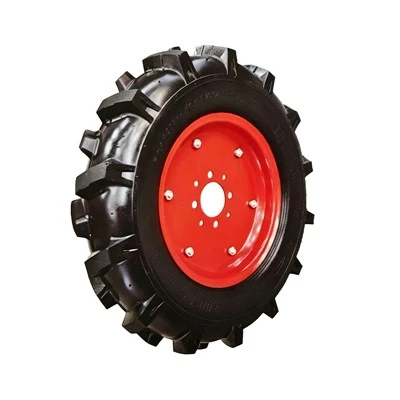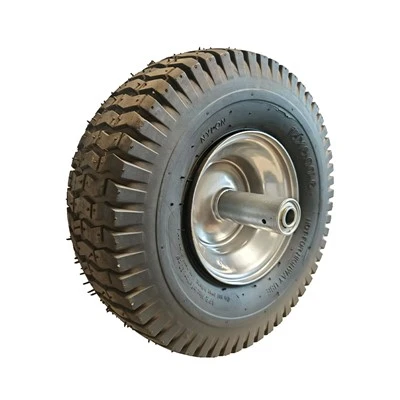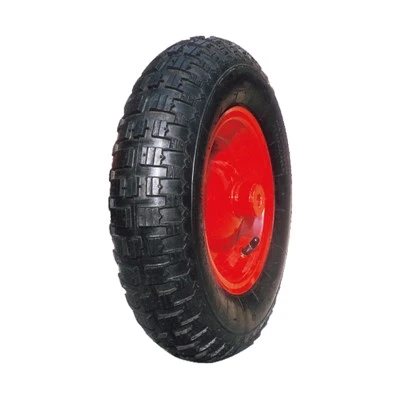

PU foam wheels use polyurethane foam as their primary tire material and are widely used on hand trucks, platform carts, industrial trolleys, logistics equipment, and other mobile handling systems. The resilient and lightweight characteristics of polyurethane foam allow these wheels to provide a practical balance of load support, cushioning, and mobility. As material handling equipment increasingly emphasizes lightweight construction, reduced maintenance, and operating efficiency, PU foam wheels are becoming a useful option for a variety of applications.
Load support is the fundamental function of a PU foam wheel. When equipment is carrying a load, the weight is transferred through the frame and axle to the wheel, which distributes the force over the contact area with the floor. The cellular structure of polyurethane foam allows the tire to compress slightly under load, creating resilient support. Wheel diameter, width, and foam density can be selected according to the equipment weight and expected working load.
Cushioning and vibration reduction are important functional characteristics. During normal operation, mobile equipment may travel over floor joints, minor surface irregularities, and small obstacles. The foam tire can deform in response to these impacts and absorb part of the resulting vibration. Compared with some rigid wheel designs, this cushioning effect can contribute to smoother movement and help reduce the transmission of impact to the equipment frame and transported goods.
PU foam wheels also provide stable mobility with reduced maintenance requirements. The resilient foam material maintains contact with the floor and provides traction suitable for many indoor handling applications. Unlike pneumatic tires, PU foam wheels do not require routine inflation, eliminating concerns about pressure loss affecting normal operation and simplifying regular maintenance.
Wear resistance and resistance to puncture-related failures are additional advantages. Warehouse and industrial floors may contain metal fragments or other sharp debris. Since a PU foam wheel does not contain a conventional pressurized air chamber, it cannot suffer from the sudden air loss associated with a punctured pneumatic tire. An appropriately engineered foam compound and tread design can also provide good resistance to repeated wear in high-frequency handling environments.
Different foam densities and hardness levels can be selected to adjust the balance between load capacity, resilience, rolling resistance, and durability. Overall, PU foam wheels combine load support, cushioning, stable mobility, wear resistance, and inflation-free operation, making them a practical wheel solution for warehouses, manufacturing facilities, logistics operations, and commercial material handling equipment.