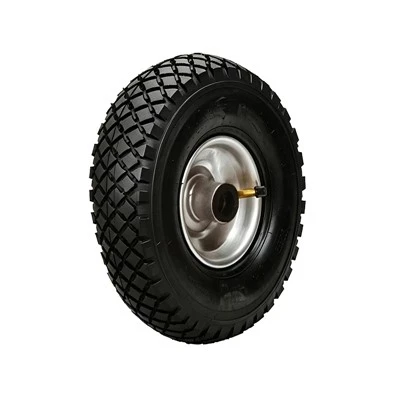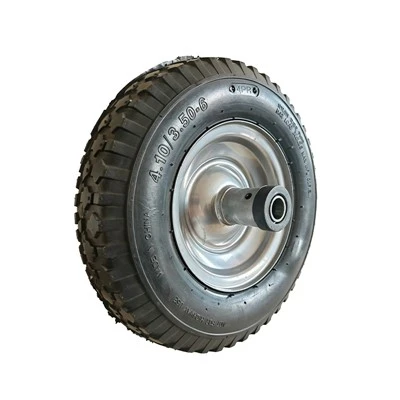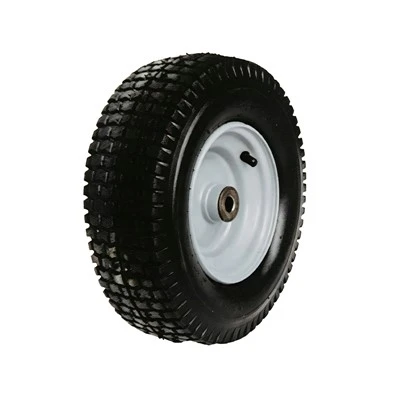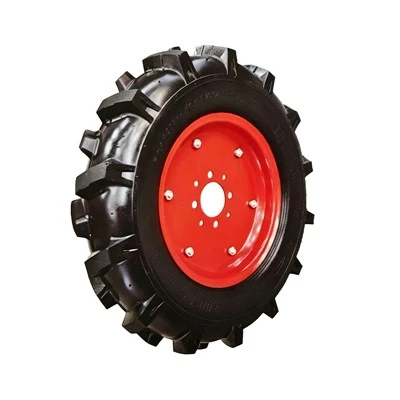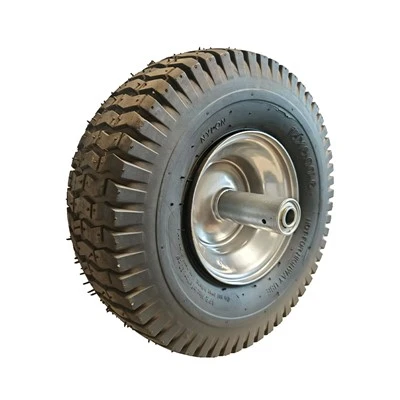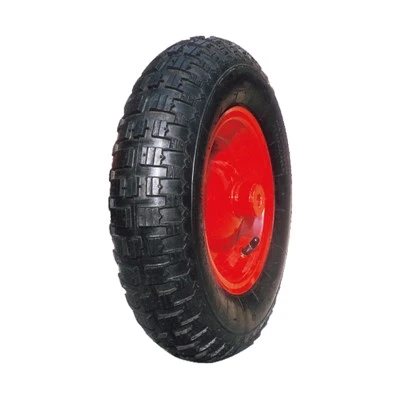

Pneumatic wheels are widely used on industrial carts, hand trucks, platform trolleys, transport equipment, and various outdoor machines. Different applications require different combinations of load capacity, durability, cushioning, and ease of maintenance. Split-rim pneumatic wheels are designed with a multi-piece wheel center, offering a practical alternative to conventional one-piece wheel designs, particularly when tire installation and maintenance are important considerations.
The split-rim construction is the defining feature of this type of pneumatic wheel. Instead of using a single-piece wheel center, the rim is made from two or more components that are securely joined together with bolts or other fastening methods. The tire is positioned within the assembled rim, creating a complete wheel unit. This configuration allows the wheel structure to be designed according to specific load and application requirements while providing convenient access for service and inspection.
Ease of tire replacement and maintenance is one of the key advantages of a split-rim design. When a tire becomes worn or damaged after extended use, the multi-piece rim can make the removal and replacement process more convenient. This can be particularly useful for industrial material handling equipment that operates frequently and needs to minimize maintenance downtime. After servicing, all rim components and fasteners should be correctly positioned and securely tightened according to the manufacturer's requirements.
In terms of operating performance, split-rim pneumatic wheels retain the key characteristics associated with pneumatic tires. The air-filled tire provides flexible support and cushioning, allowing the tire to deform when traveling over uneven ground. This helps absorb part of the impact and vibration generated by rough surfaces. As a result, these wheels can be suitable for applications involving gravel, rough concrete, construction areas, and other challenging working environments.
Rim material and fastening design have a direct influence on wheel strength and load capacity. Industrial applications generally require strong wheel construction, secure connections, and long-term durability. When selecting a split-rim pneumatic wheel, factors such as equipment weight, maximum working load, operating frequency, ground conditions, tire dimensions, rim specifications, and bearing configuration should be considered together.
Overall, split-rim pneumatic wheels combine the cushioning characteristics of pneumatic tires with the serviceability of a multi-piece rim design. This combination makes them a practical option for industrial handling equipment and outdoor applications where both mobility and maintenance convenience are important. With an appropriate rim structure and secure fastening system, split-rim pneumatic wheels can provide reliable support while making tire servicing and replacement more manageable.