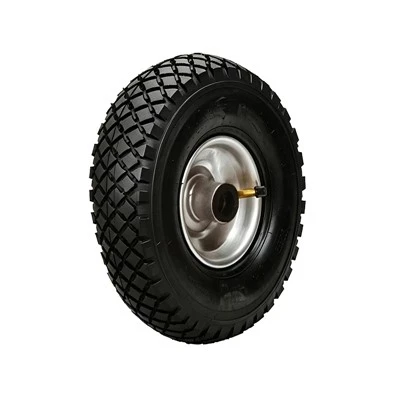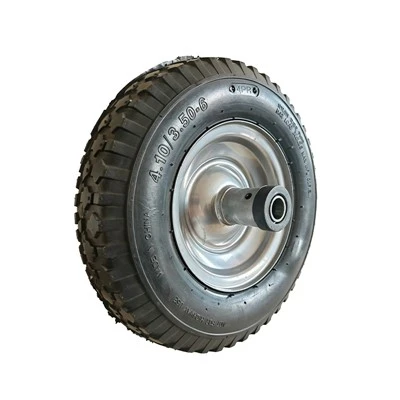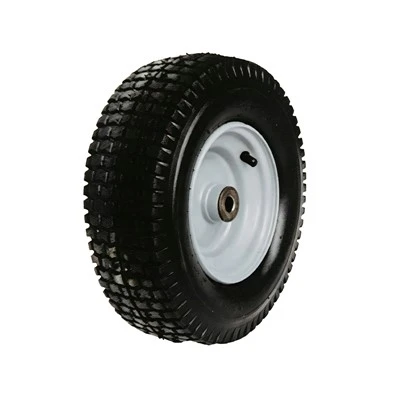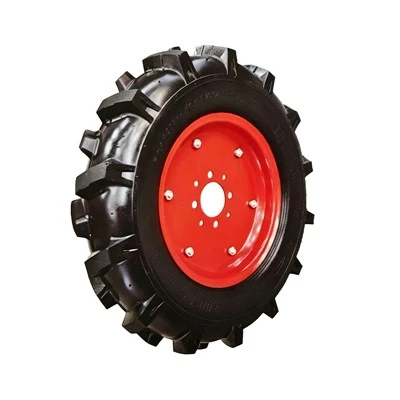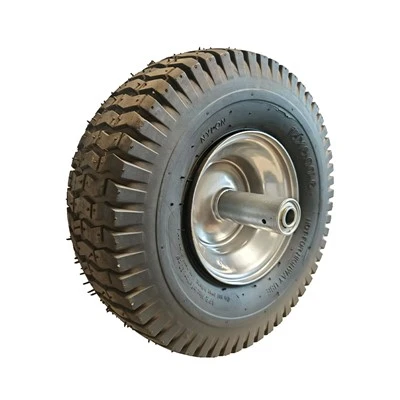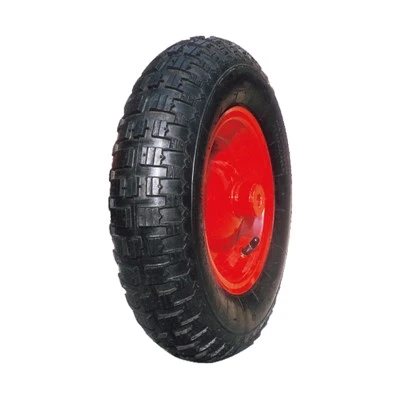

Solid rubber wheels are widely used in material handling and industrial equipment because of their wear resistance, puncture resistance, maintenance convenience, and stable performance. Unlike pneumatic tires, solid rubber wheels do not require regular inflation and are not affected by air leakage. This makes them particularly suitable for applications where equipment is used frequently and minimizing routine maintenance is important.
Warehousing and logistics are among the most common applications for solid rubber wheels. Hand trucks, platform carts, transport trolleys, and other handling equipment are frequently moved across warehouse floors and distribution areas. These surfaces are often made of concrete, epoxy flooring, or other hard materials that place continuous demands on wheel durability and rolling performance. Solid rubber wheels can withstand repeated contact with the floor while eliminating the risk of downtime caused by a flat pneumatic tire, making them a practical choice for high-frequency handling operations.
Manufacturing facilities also benefit from solid rubber wheel designs. Production areas often require the transportation of components, tools, raw materials, and finished products. Equipment operating in these environments may be moved many times throughout the day, making durability and consistent support important considerations. Solid rubber wheels require no inflation and can provide stable performance under normal operating conditions. Their elastic rubber construction can also provide a certain level of cushioning, helping reduce some of the vibration and impact generated during movement.
Solid rubber wheels are also suitable for commercial and service environments. Carts and mobile equipment used in supermarkets, retail facilities, hotels, hospitals, workshops, and maintenance areas often need to move smoothly across indoor floors. The low maintenance requirements of solid rubber wheels can simplify routine equipment management, while the rubber tread can provide a suitable balance between traction, stability, and operating noise.
In addition, solid rubber wheels can be used in selected industrial and demanding handling environments where debris may be present. Metal fragments, sharp objects, and other floor debris can create a puncture risk for pneumatic tires. Because solid rubber wheels do not rely on an air-filled chamber, they are less vulnerable to sudden loss of function caused by punctures. This characteristic can be valuable for equipment that needs to remain operational for extended periods.
Overall, solid rubber wheels are well suited to applications that prioritize wear resistance, stability, puncture resistance, and ease of maintenance. When selecting a wheel, users should consider equipment weight, floor conditions, operating frequency, and the required level of cushioning. Matching the rubber compound, wheel size, and load rating to the actual working environment can help achieve reliable performance and longer service life.