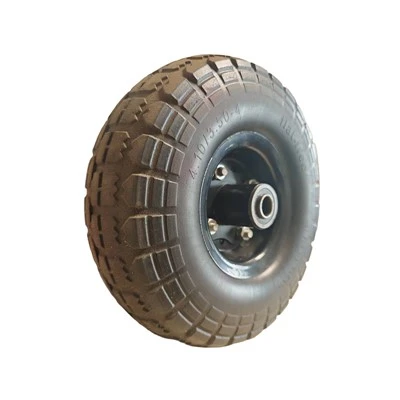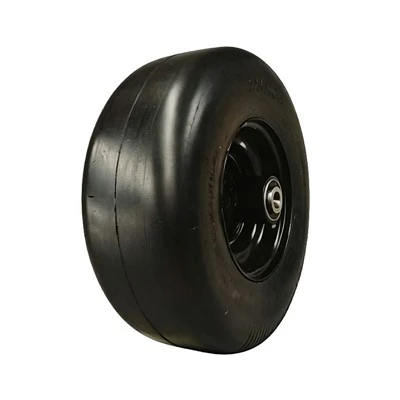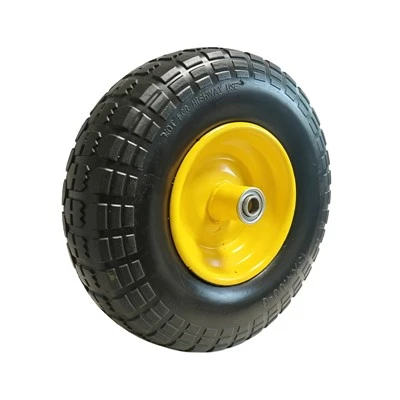


If you’ve ever spent time sourcing parts for industrial or mobility equipment, you know that even small, seemingly standard components can turn into a headache when exact compatibility is required. As a supplier specializing in 16*400-8 pneumatic wheels, I hear this frustration every day from customers who reach out wondering where to find the right inner tubes for these specific wheels. The 16400-8 designation—sometimes written as 16x4.00-8, since 400 is the metric rounding for a 4-inch rim width—isn’t as universal as it might sound. Sizing labels can vary between manufacturers, and using the wrong inner tube leads to pinch flats, uneven wear, and even wheel failure, which is why I want to break down exactly where to find compatible inner tubes, how to verify they fit, and what mistakes to avoid along the way.
First, let’s get clear on the basics of 16400-8 pneumatic wheel sizing to eliminate confusion. This wheel has a nominal outer diameter of 16 inches, a rim diameter of 8 inches, and a rim width of 4 inches. Inner tubes for pneumatic wheels aren’t one-size-fits-all for 8-inch rims—you need a tube that’s sized to fit the specific rim width of your wheel. A common mistake is grabbing a 6.50-8 inner tube, which works for narrower wheels like the 6.50-8 Solid Rubber Wheel we offer, but it will be too narrow for our 16400-8 pneumatic wheel. That mismatch causes the tube to bunch up on the rim when inflated, leading to punctures long before the tube should fail. So the first rule of compatible inner tubes: match the rim width exactly to the tube’s recommended range.
Now, where to source these tubes? Not all wheel suppliers stock 16400-8 inner tubes, especially if they focus on larger or smaller wheel sizes. For example, if you’re working on smaller equipment like hand trucks or dollies, you might come across 4.00-10 Pneumatic Wheel inner tubes, but those are built for a 10-inch rim and will never fit an 8-inch wheel. That’s a critical distinction. As a supplier of 16400-8 pneumatic wheels, we’ve partnered with industrial tire and tube manufacturers for years, and the most reliable sources fall into three categories: specialty wheel and tire suppliers, original equipment manufacturers (OEMs) that make matching parts for their equipment, and reputable online marketplaces that specialize in industrial mobility components.
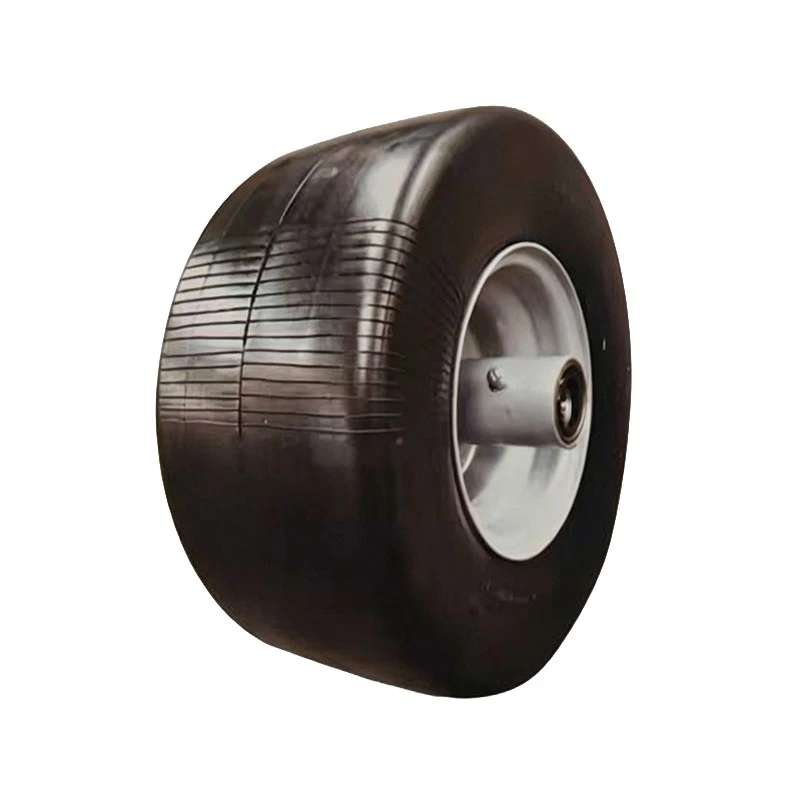
Specialty wheel suppliers like us (we carry the 16*400-8 Pneumatic Wheel directly, so we also stock the correct inner tubes to pair with them) are a top choice because we know exactly what fits our products. We test every inner tube with our wheels during production to ensure the inflation pressure holds, the tube sits evenly on the rim, and there’s no excess slack that could cause wear. Many customers assume that any 16x4-8 inner tube works, but we’ve seen too many cases where a tube labeled “16x4-8” from a generic supplier was off by a quarter-inch in width, leading to repeated flats. That’s why working with a supplier that designs parts to match each other eliminates that guesswork.
Another source is OEMs for the equipment that uses 16400-8 pneumatic wheels. If your wheel is on a specific type of machinery—like a garden cart, a power wheelchair, or a small utility vehicle—the OEM will often sell replacement inner tubes tailored to their wheels. The downside here is that OEM tubes can be more expensive, and if you have an older piece of equipment where the wheel’s manufacturer is out of business, this option won’t work. For example, if you have a mobility scooter with a 16400-8 wheel made by a company that closed 10 years ago, tracking down their OEM inner tubes is likely impossible, which leads many customers back to specialty suppliers.
Online marketplaces can be hit or miss, but there are niche ones that cater specifically to industrial and commercial wheel parts, which is where you’ll find the most reliable options. Avoid general marketplaces where individual sellers might mislabel tubes—we’ve had customers come to us with tubes labeled “16x4.00-8” that are actually sized for a 16*650-8 Pneumatic Wheel, which has a much narrower rim. The 650 in that size stands for 6.5 inches, so a 16x6.5-8 inner tube is too narrow for our 4-inch rim, no matter what the outer diameter is. That’s why it’s crucial to check the inner tube’s listed rim width range, not just the outer wheel size. A good rule of thumb: a compatible inner tube for 16*400-8 wheels will have a rim width rating between 3.75 inches and 4.25 inches. Any number outside that range is too narrow or too wide, and will cause issues.
Now, how do you verify an inner tube is compatible before you buy? This is a step I always recommend, even if you’re buying from a trusted supplier. First, check the product specifications closely. Look for lines that say “fits rim width: 3.5”-4.5”” or “compatible with 16x4-8 pneumatic wheels.” Skip any listings that only list the outer diameter—outer diameter can vary by up to half an inch between brands, even for the same nominal size. Second, if you have an old inner tube that’s still intact (even if it’s slightly worn), compare its dimensions to the new one. The width of the tube when it’s flat should be roughly the same as the rim width of your wheel. If you have a 4-inch rim, the flat tube should measure between 3.5 and 4.5 inches across. Third, ask the supplier for a compatibility guarantee. A reputable supplier will stand behind their parts, and if a tube doesn’t fit, they’ll take it back or send the correct one. As a supplier, we offer that guarantee because we test all our inner tubes with our wheels, so we know they fit perfectly.
I also want to address a common alternative some customers ask about: solid rubber wheels. If you’re tired of dealing with inner tube flats, switching to a solid wheel is an option, but it’s not a one-to-one replacement for a pneumatic wheel with a 16*400-8 rim. Solid wheels like the 6.00-6 Solid Rubber Wheel are for smaller rim sizes, so they won’t fit an 8-inch rim. For 8-inch solid wheels, solid rubber options are more common in narrower widths, like the 6.50-8 solid wheel I mentioned earlier. The downside of solid wheels is that they don’t cushion impacts the way pneumatic wheels do, which can be rough on floors or cause more vibration in equipment that needs to stay stable. So if you’re set on keeping the ride quality of pneumatic wheels, sticking to the right inner tube is the way to go, not switching to solid.
Another mistake I see is overinflating inner tubes to compensate for a loose fit. If a tube is slightly too big for the rim, some customers think inflating it to higher pressure will make it fit tighter, but that’s a dangerous practice. Overinflation causes the tube to stretch beyond its design limits, leading to a blowout, and it also makes the ride harsher and reduces traction. The correct inflation pressure for 16*400-8 pneumatic wheels is usually between 30 and 50 PSI (pounds per square inch), depending on the load the wheel carries—check your wheel’s label for the exact PSI rating. Using the wrong inner tube is a common cause of overinflation issues, because a tube that’s too wide will bulge out on the sides when inflated, making it look underinflated even when it’s not.
If you’re still struggling to find compatible inner tubes, here’s a pro tip: reach out to a supplier that specializes in the exact wheel size you need, like us. As someone who’s been in the wheel business for over a decade, I’ve sourced parts for every type of 8-inch pneumatic wheel, and I know the subtle differences between sizes that most general suppliers miss. We keep a full inventory of inner tubes sized specifically for our 16*400-8 pneumatic wheels, and we can also help you determine if you need a different size if your application has unique requirements—like a heavier load that needs a thicker-walled tube, or a specific type of valve stem that fits your equipment’s wheel hub.
Let’s talk about why this is so important for businesses and individuals alike. If you’re a business that uses a fleet of carts or utility vehicles with 16*400-8 wheels, downtime from flat inner tubes costs you money every time a wheel goes down. Using a compatible inner tube reduces flats by up to 70% compared to using the wrong size, according to tire industry data we’ve reviewed with our tube manufacturers. For individuals with mobility equipment, a flat wheel can be a major inconvenience, and even a safety hazard if the wheel fails while in use. That’s why taking the time to find the right inner tube isn’t just about convenience—it’s about reliability and safety.
When you’re shopping for inner tubes, avoid cheap, no-name brands. Generic inner tubes often use thinner rubber that wears out faster, and they may not hold the correct pressure. The inner tubes we stock for our 16*400-8 pneumatic wheels use heavy-duty butyl rubber, which is resistant to punctures and holds pressure for longer. We source our tubes from manufacturers that meet industrial safety standards, so you can trust they’re built to last. You might pay a few dollars more for a quality tube, but it will save you money in the long run by reducing replacement costs and downtime.
Now, if you’re ready to find the right inner tube for your 16*400-8 pneumatic wheel, the best first step is to reach out to a trusted supplier that knows these parts inside and out. Whether you need a single replacement tube or bulk orders for your business, we’re here to help. We can confirm compatibility, answer any questions about sizing or installation, and make sure you get the right part the first time. Don’t waste time with generic listings that might not fit—working with a specialist ensures you get a tube that’s tested and proven to work with your wheel.
References:
- Industrial Tire and Tube Association. (2022). Sizing Standards for Pneumatic Wheel Inner Tubes. North American Tire and Rubber Association.
- Mobility Equipment Industry Safety Guidelines. (2021). Replacement Parts Compatibility for Commercial and Personal Mobility Devices. International Association of Rehabilitation Professionals.
- Wheel Load and Inflation Pressure Best Practices. (2023). Industrial Wheel Manufacturers Association Technical Manual.
- Rubber Compound Durability for Pneumatic Tires. (2022). Journal of Industrial Rubber and Polymer Technology, Vol. 18, No. 2.
- Solid vs. Pneumatic Wheel Performance in Commercial Applications. (2021). Material Handling Industry Association Report on Wheel Technology.