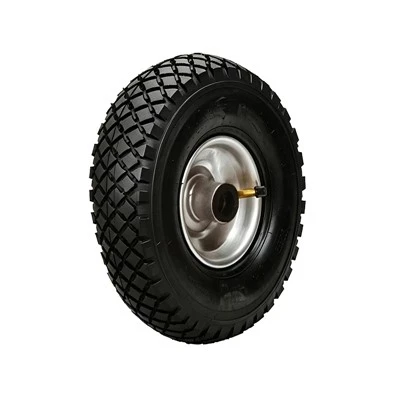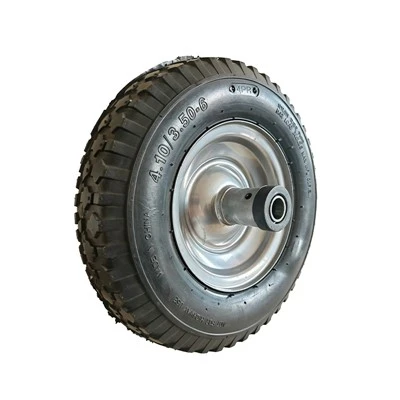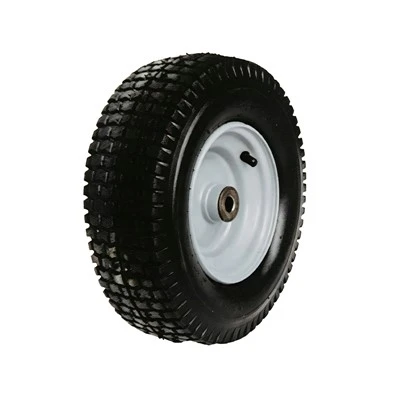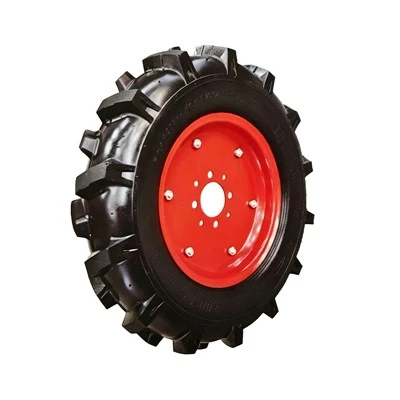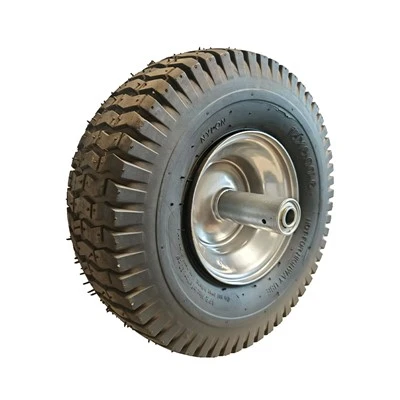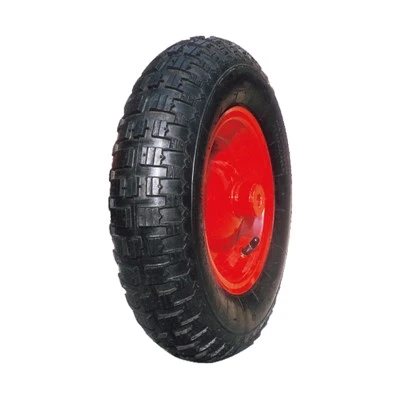

Split-rim solid rubber wheels combine a multi-piece wheel center with a solid rubber tire to provide load support, mobility, cushioning, and operational stability for material handling equipment. Because the solid tire does not rely on air pressure, it requires no routine inflation. The split-rim design can also make tire installation and servicing more accessible, making this wheel configuration suitable for warehouses, manufacturing facilities, logistics operations, and other high-frequency handling environments.
Load support is the primary function of a split-rim solid rubber wheel. During material handling, the weight of the equipment and its cargo is transferred through the frame to the wheel assembly. The split rim and solid rubber body then distribute the load to the ground. A properly engineered wheel center and suitable rubber compound can provide stable support under working loads. Selecting the appropriate wheel according to equipment weight and maximum load is essential for reliable long-term operation.
Stable mobility is another important function. The solid rubber tire has a certain degree of elasticity and can maintain consistent contact with the floor during movement. Its tread provides traction between the wheel and the ground, helping hand trucks and industrial carts move in a controlled and stable manner. When combined with an appropriately selected bearing assembly, the wheel can also provide smooth rotation and easier handling.
Cushioning and vibration reduction can improve operating comfort. Although solid rubber wheels use a different cushioning mechanism from pneumatic tires, the elasticity of the rubber allows the tire to absorb part of the impact generated when traveling over floor joints, minor irregularities, and other small obstacles. This can help reduce some of the vibration transferred to the equipment during routine indoor handling operations.
The split-rim construction also provides practical advantages for installation and maintenance. When the solid rubber tire becomes worn or requires replacement, the wheel-center sections can be separated according to the specific design, providing access for inspection and servicing. For industrial equipment that operates continuously or frequently, easier tire replacement can help simplify maintenance and reduce downtime.
Another useful feature is puncture resistance and inflation-free operation. Since the solid rubber tire contains no pressurized air chamber, a puncture does not cause the sudden loss of air pressure associated with pneumatic tires. This contributes to consistent support and reduces the need for routine inflation checks.
Overall, split-rim solid rubber wheels provide a combination of load support, stable mobility, cushioning, puncture resistance, and serviceability. When the tire compound, wheel-center design, bearing configuration, and load rating are properly matched to the application, these wheels can provide dependable mobility for a wide range of material handling equipment.