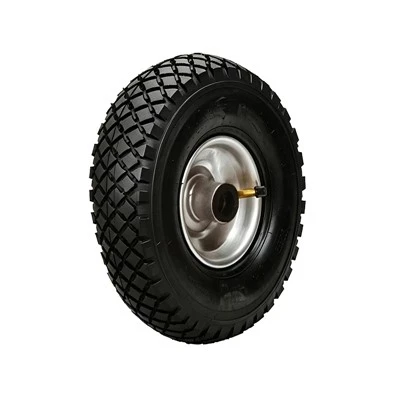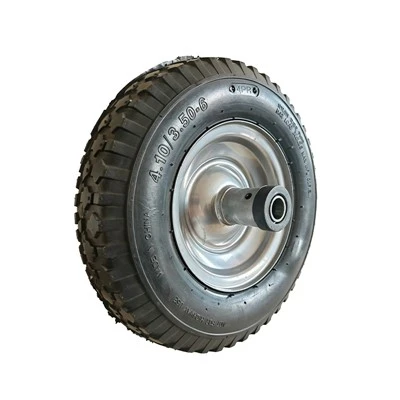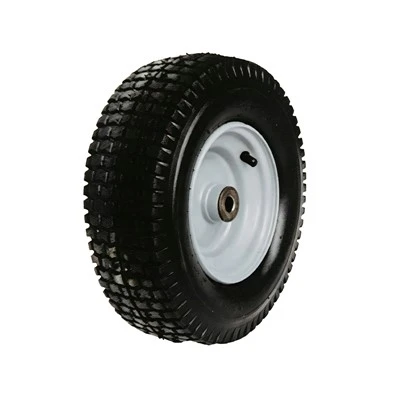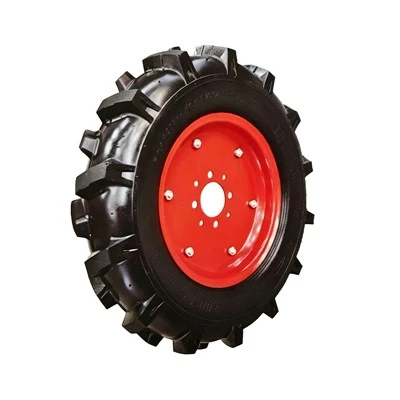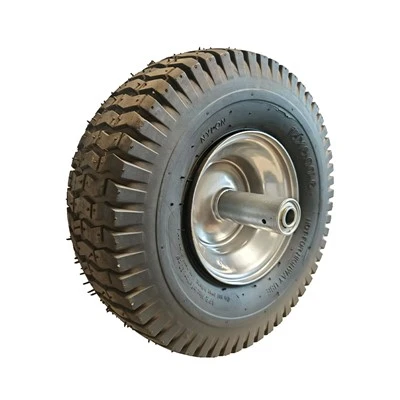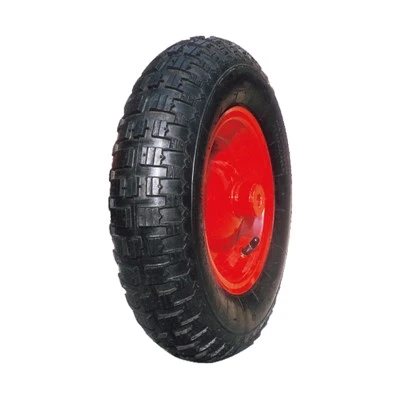

As warehouses, manufacturing facilities, and commercial operations demand greater efficiency from mobile equipment, wheel design has become an important factor in overall equipment performance. PU foam wheels use polyurethane foam as the primary tire material and offer a combination of lightweight construction, resilience, cushioning, and inflation-free operation. These characteristics make them a practical option for a wide range of material handling applications.
Low weight is one of the key advantages of PU foam wheels. Polyurethane foam can provide a lighter wheel construction than many conventional solid wheel materials while maintaining the required level of load support when properly engineered. Reducing wheel weight can make carts and other mobile equipment easier to handle, particularly in applications that involve frequent movement and manual operation.
Resilience and cushioning are also important performance benefits. The cellular structure of polyurethane foam allows the tire to compress and recover when subjected to load. When a wheel travels over floor joints, minor surface irregularities, or small obstacles, the foam can deform to absorb part of the impact. This can help reduce vibration transmitted to the equipment frame and transported goods while contributing to a smoother ride.
Inflation-free operation helps simplify maintenance. PU foam wheels do not contain the pressurized air chamber found in conventional pneumatic tires. They therefore do not require routine inflation or tire-pressure checks, and they are not subject to sudden loss of support caused by ordinary air leakage. This can be particularly useful in warehouses, factories, distribution centers, and other environments where handling equipment is operated frequently.
Another advantage is resistance to wear and puncture-related failures. Industrial floors can contain metal fragments, sharp debris, and other objects that may damage conventional pneumatic tires. Because PU foam wheels do not depend on pressurized air, a puncture does not result in the same type of sudden deflation. Properly formulated polyurethane foam and an engineered tread design can also provide good resistance to repeated contact and wear.
Material properties can be tailored to specific applications. Foam density, hardness, and resilience can be adjusted to achieve different combinations of load capacity, cushioning, rolling resistance, and durability. This flexibility allows manufacturers to develop wheel configurations for different equipment and operating environments.
Overall, PU foam wheels offer a practical combination of lightweight construction, resilient cushioning, inflation-free operation, reduced maintenance, and useful wear resistance. These advantages make them suitable for hand trucks, platform carts, industrial trolleys, logistics equipment, and other mobile systems used in warehousing, manufacturing, and commercial material handling.